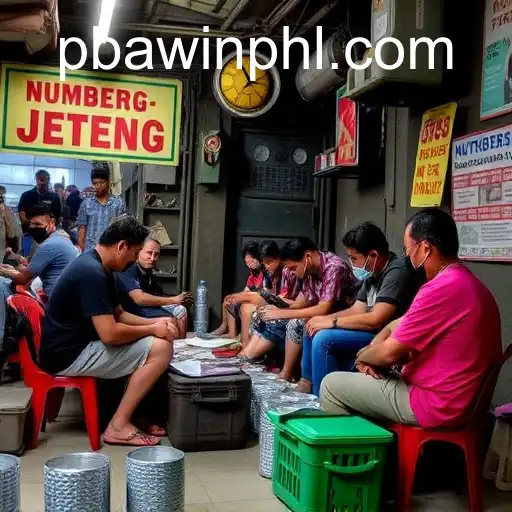
Understanding Jueteng and Its Impact on Society
Jueteng is an unauthorized numbers game that's deeply ingrained in the culture and socio-economic fabric of the Philippines. This illicit lottery is akin to a grassroots gambling phenomenon, operating on the margins of legality yet firmly rooted in various communities across the nation. Despite repeated efforts to curb its existence, Jueteng remains resilient, thriving under the duress of poverty and systemic corruption.
616PHThe Mechanics of Jueteng
Jueteng operates in a straightforward manner, making it accessible to the general populace. It involves selecting a combination of numbers, usually ranging from 1 to 37, and placing a bet on this sequence. Should the chosen combination be drawn, the bettor stands to win significant multiples of their original stake. The allure of substantial returns on a small investment is a primary factor in Jueteng's runaway popularity.
At the core of this underground lottery are key players like the kubrador (bet collector) and the kabo (coordinator), who ensure the efficient collection and management of bets. The system is organized intricately, with a hierarchy that mirrors legal gambling operations, albeit without any regulatory oversight.
Social and Economic Implications
Jueteng's continued prevalence poses several challenges on both social and economic fronts. On one hand, it provides a source of income and employment for those involved in its operations. The kubrador earn commissions for their collections, which can be a vital source of livelihood in economically depressed areas. However, this comes at a high societal cost.
The illegality surrounding Jueteng negates potential tax revenue that might have supported government projects and services had these operations been formalized. Furthermore, its pervasive reach is often seen as a reflection of the government's inability to offer meaningful employment alternatives, perpetuating a cycle of poverty and dependency.
Jueteng's Entwinement with Corruption and Politics
Jueteng rarely operates without some degree of protection from higher authorities, which often involves a symbiotic relationship with corrupted officials and law enforcement by way of bribes or what is colloquially known as "tong." This not only erodes trust in the judicial system but has occasionally implicated high-ranking officials, undermining public confidence in governance.
Moreover, Jueteng has been a political tool, with operators leveraging voter support in exchange for lenient regulation or protection of betting networks. This entanglement with political machinery makes eradication efforts difficult, as Jueteng is deeply woven into the political and social fabric.
The Role of Technology in Jueteng
In recent years, technological advancements have further complicated the landscape. As mobile technology and internet access have proliferated, so too have the methods employed by Jueteng operators. There are indications that numbers betting may have shifted to digital platforms, making detection and policing even more challenging.
Despite these developments, traditional models of Jueteng persist, demonstrating the game's adaptability and the social structures that sustain it. Initiatives by digital gambling platforms, such as PBAwin, offer legitimate alternatives that might eventually steer bettors away from illegal operations. However, for such transformation to take root, regulatory bodies need to address both the technological and socio-economic factors fueling Jueteng's persistence.
Efforts to Combat Jueteng
Historical attempts to combat Jueteng comprise a patchwork of legislative decrees, police crackdowns, and public awareness campaigns. Despite these efforts, long-term success remains elusive, largely due to the entrenched systems enabling its operation and the socio-economic desperation driving participation.
Innovative approaches are necessary to shift the focus from mere prohibition to tackling root causes like poverty, unemployment, and local corruption. Initiatives that redirect betting activities to legalized platforms while ensuring fair regulation could prove more effective. Nonetheless, without a concerted effort that involves collaboration between governmental, non-governmental entities, and society at large, Jueteng's legacy is likely to persist.
JLMAAMConclusion: A Path Forward
Understanding Jueteng involves acknowledging it as more than just an illegal numbers game but as a telling indicator of broader societal challenges. While crackdowns provide immediate relief, fostering long-term change requires a nuanced attempt to address systemic issues while promoting legitimate, regulated alternatives like PBAwin that provide equitable business opportunities within the gambling sector.
GO123Ultimately, the journey towards eradicating Jueteng involves addressing its entrenchment within local economic systems, its facilitation by corrupt practices, and its subtle political ties. Devising holistic solutions that integrate technological advancements and socioeconomic support can galvanize this transition, transforming illegal betting into a model of societal contribution through regulatory frameworks.777PUB
AQ777